College Board Forum 2025
Turning Preparation into Possibility: How K–12 and Higher Ed Partnerships Are Opening Doors for More Students
Across America’s small towns, mountain communities, and rural school districts, and regions where access to college resources is limited, students are dreaming big─and College Board is helping them turn those dreams into reality.
One in five U.S. students attends a rural school, yet many face barriers to college access: limited resources and information, geographic isolation, and fewer opportunities to connect with admissions professionals. And similar gaps in college access and opportunity exist in suburban and urban communities, too. That’s why College Board is leading efforts to build partnerships between K–12 districts and higher education institutions. These efforts will help close gaps and expand both opportunity and aspiration.
Through initiatives like the Small Town and Rural Student (STARS) College Network and its impact in California’s Napa Valley Unified School District, Tigers Connect with Towson University and Baltimore City Schools in Maryland, and the Jeffco Public Schools−Colorado School of Mines STEM Bridge, students are gaining access to rigorous coursework, expert advising, and clear, achievable pathways to college.
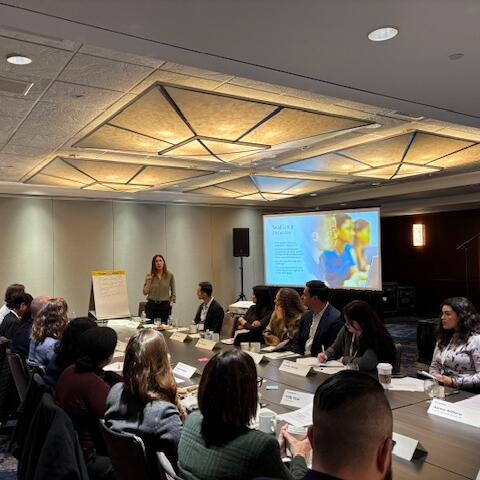
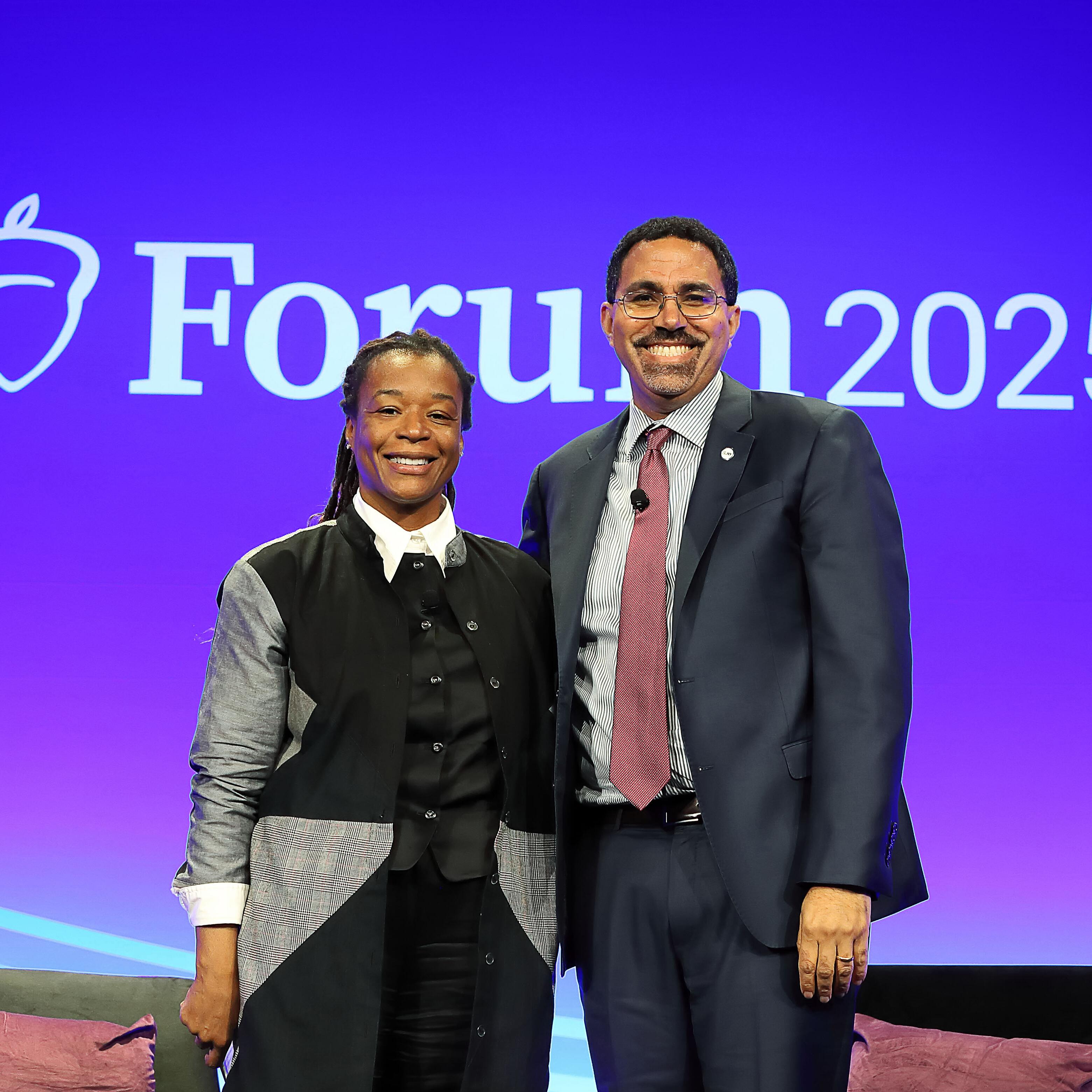
At College Board’s recent Forum 2025 event in New York City, representatives from all three efforts spoke about the power of partnership.
STARS College Network: National Partnerships, Local Impact
Launched by the University of Chicago and under the directorship of Marjie Betley, the STARS College Network brings together 32 top colleges and universities committed to widening pathways for rural and small-town students. In the STARS network’s inaugural year, more than 24,000 rural and small-town students are currently enrolled in colleges and universities nationwide, thanks to STARS programming. College Board helps connect STARS institutions with superintendents and counselors in rural and small-town districts via its large-scale events and rural-focused meetings, ensuring collaboration that turns into tangible results.
In California’s Napa Valley Unified School District, led by Superintendent Rosanna Mucetti, more than 60% of students are Latino, and 70% come from low-income households. College Board helped spark the first STARS-district partnership in the nation in Napa Valley, a mainly agricultural region where college-bound students have traditionally enrolled in institutions close to home. The initiative offers bilingual college fairs, one-on-one advising, and subsidized fly-in programs to expose students to colleges across the country and then experience campus life firsthand. More than 2,500 students and families have already participated in STARS-led college fairs, 100 students are actively involved with one-to-one college counseling, and 26 students took part in fly-in opportunities with colleges across the country. Numbers continue to grow with Napa Valley USD students applying to and enrolling in selective universities such as the University of Chicago and Vanderbilt University.
“In order for a program like this to be successful, it’s very important for the district board and administration to be involved in ensuring success,” Mucetti said.
To further prepare students for success, College Board offers free AP® Summer Institute training for new AP teachers, and those who already teach AP but seek to teach additional courses, which is open to educators in rural districts. This training helps new and returning educators launch and expand AP courses in their schools. It creates more opportunities for students to take rigorous courses and earn college credit before high school graduation. Since the initiative began, applications from rural teachers have increased by 124%.
Building Bridges from High School to College
In Baltimore, College Board helped connect enrollment management leader Boyd Bradshaw of Towson University with Baltimore City Schools. Despite the close proximity to Towson, enrollment and engagement from students in Baltimore City remained low with the university. To help foster more interaction with Baltimore students, Towson created a three-day on-campus experience for rising juniors and seniors: Tigers Connect. Supported by the American Talent Initiative, the program combines applied math workshops, college and career sessions, and social experiences that help students envision themselves on a college campus. Students from 12 Baltimore high schools took part in the first Tigers Connect experience. After participating, 100% of students said they would recommend the program to a friend.
Guaranteeing Admission for Prepared Students
In Colorado, Jeffco Public Schools, led by Superintendent Tracy Dorland, collaborated with the Colorado School of Mines to pave new STEM pathways through a guaranteed admission partnership. Students who complete AP math and science coursework and maintain a qualifying GPA earn direct admission to School of Mines. The program aligns high school and university priorities, creating a sustainable model that strengthens local talent pipelines and inspires future STEM leaders.
Each of these exciting initiatives are new—under two years old—but have quickly accelerated. As rural communities and small-town districts seek ways to bring college access to their students, it’s affirming to see that small wins along the way inspire possibilities.
College Board’s Ongoing Commitment to Rural Access
College Board ongoing initiatives include Rural Education Exchange and BigFuture® Live events and STARS summits and conferences that unite K–12 and higher education leaders. We champion access and excellence─no matter a student’s ZIP code.
“When we connect rural students to rigorous learning and to people who believe in their potential, incredible things happen,” says Maureen LaRaviere, executive director of K−12 state and district partnerships at College Board.
Mary Wagner, executive director, strategic higher education enrollment leadership at College Board, agrees. “Preparation becomes possibility when schools and colleges work together— and every student, from the plains to the peaks, can see a clear path to college and beyond.”
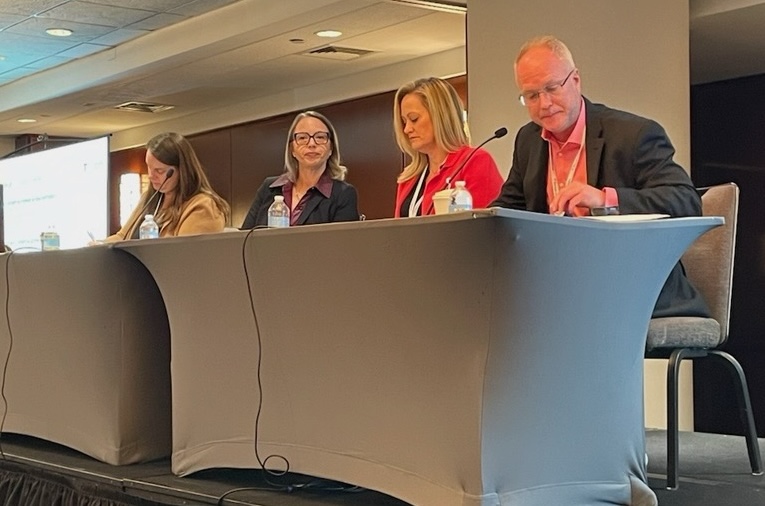
From L to R. Marjie Betley, Dr. Rosanna Mucetti, Tracy Dorland, and Boyd Bradshaw share innovative strategies in helping to increase access to college admissions resources for students in rural, small town, and underserved urban school districts at Forum