Careers
When Systems Align, Student Opportunity Becomes Visible
Too many students leave high school without seeing how what they learn connects to what comes next. That disconnect is often by design. Education, workforce, and state policy systems often operate on separate tracks, leaving students with limited visibility into their options and few chances to apply academic skills in real-world settings.
A growing number of education organizations are working to change that—closing the gap by bringing academic rigor and career relevance closer together. Students need more chances to use what they learn on problems that look and feel connected to the world beyond school.
When that happens, learning becomes more visible. So do the pathways it can open.
AP Cybersecurity showed me what a real career in technology could look like—not just coding, but problem-solving. Having these opportunities in high school will help me get ahead.
Kaiden, a high school junior in Colorado
Kaiden’s high school is one of over 180 schools across 30 states piloting a cybersecurity course where students are solving problems that mirror the work happening in industries across their state. Students are learning career-relevant skills and content that can inform their options and interests after graduation.
But scaling opportunity in support of local ecosystems means states must figure out how to translate ambitious workforce goals into classroom-level change.
Building aligned systems
In Colorado, expanding opportunity means students graduate with meaningful credentials and college credit, real-world skills, and exposure to work-based learning experiences that build momentum toward economic mobility.
“We used to be turned away from high schools because our roles didn’t require a college degree, but we’ve changed a lot in Colorado since 2019,” said David Scott, a construction industry advocate at Encore Electric. “Schools adopted a system where I go in as an employer and I’m standing next to military leaders and higher education leaders. Thirty-three percent of the conversation with students is about college, 33% is about military, and 33% is about other pathways.”
Bringing postsecondary leaders into the same conversation helps make multiple pathways to career success visible to students. For local employers like Encore Electric that changes how success is measured. When some students choose not to complete their pre-apprenticeship program, they don’t treat that as a failure. It means every student gained a better understanding of their interests, and those who continue with Encore represent an intentional cohort.
Add in AP Cybersecurity pilots in Colorado to the local ecosystem, and alignment across the state’s policy, workforce, and academic priorities grows.
Alignment doesn’t happen on its own. States can accelerate it by streamlining routes into teaching career and technical education (CTE), integrating AP courses into CTE programs of study, and braiding Perkins and state CTE funds to cover implementation costs. Those policy moves create the conditions for partnerships like the one Encore Electric now has with local schools.
Prioritizing aligned learning
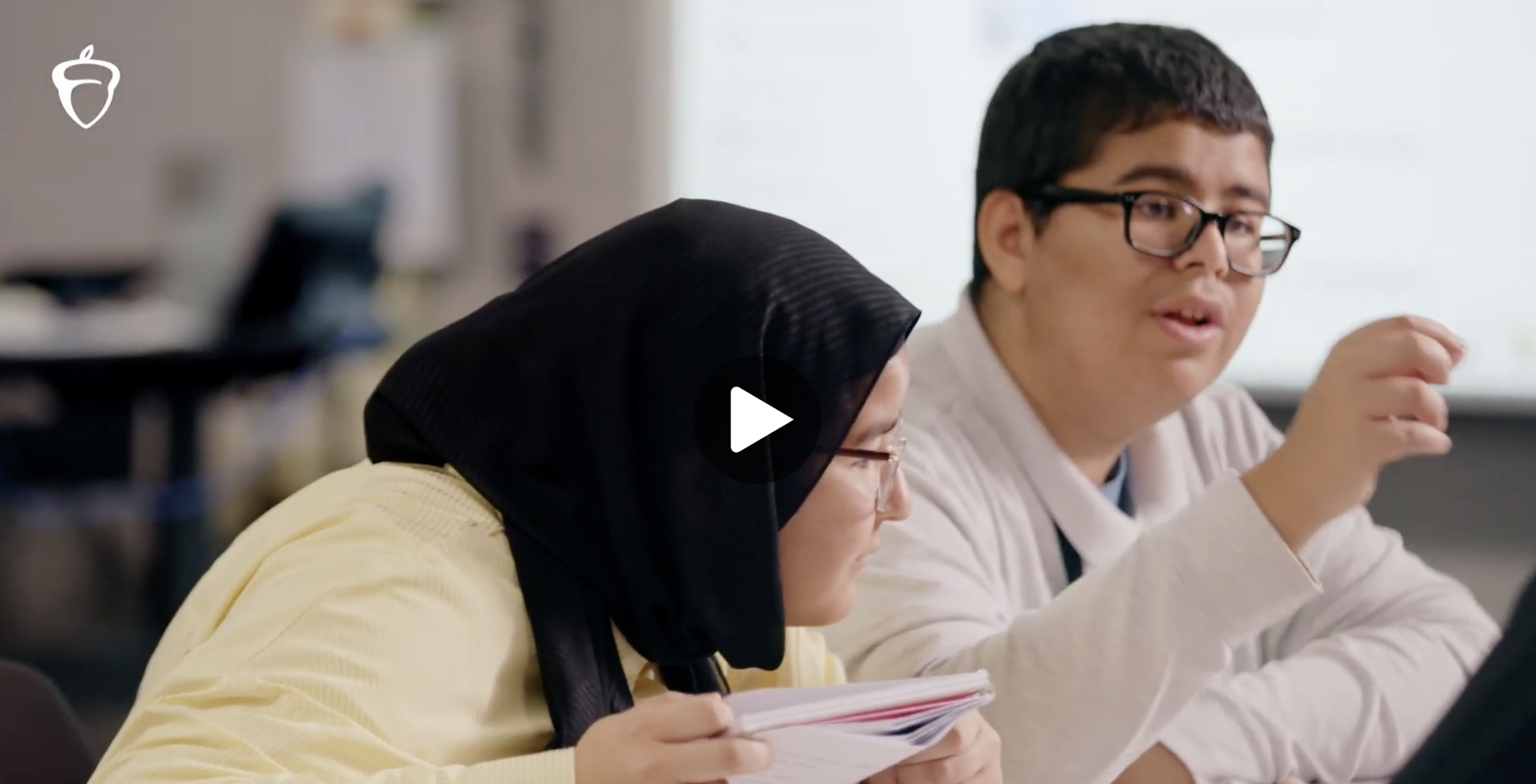
AP Career Kickstart™ expands the College Board Advanced Placement® Program with a new set of career courses and exams that can fit into existing CTE programs of study. "AP Career Kickstart is a total game changer,” said Colorado AP teacher Bobbie Bastian. “We're constantly building workforce skills within the classroom—communication, problem-solving, critical thinking, and being able to work as a team."
As importantly, her students see the value. "This course has made me feel more confident and is connecting me to new paths and careers,” said Lia, a high school junior. “I liked that we [are] learning skills that people actually use in the workforce. I know I’ll use this later."
These courses help students see how college-level coursework can translate into future career opportunities and industry-relevant skills, while maintaining the high academic standards that have defined the AP Program.
Creating aligned signals
Students shouldn’t have to guess how education connects to their future, and access to meaningful credentials is key.
States play a critical role here. By ensuring AP Career Kickstart Exams are included in college-credit policies across both four-year colleges and community colleges, and by counting these courses toward CTE concentrator status in accountability systems, they transform classroom credentials into currency that travels.
The new courses are designed with employers, college faculty, and high school educators to bring academic and industry expertise together. Upon completing the course, students have the potential to earn credentials that are recognized by both higher education and employers.
When alignment is prioritized across the ecosystem, classroom practice can reflect state vision, and employers and educators can work as true partners.
As Colorado Governor Jared Polis said, "I am thrilled to continue this important work ensuring that new AP courses for high school students integrate meaningful career learning, giving students more opportunities to learn skills valued in the workforce, strengthening our economy and each student's future.”
That is how opportunity becomes visible: More students have clarity toward career pathways. Higher education institutions see better-prepared applicants with demonstrated success in challenging coursework. Employers see earlier and stronger skill development in early talent. And state policy goals become visible in everyday classroom practice.
