Prepárate 2026
Education Pays Off When Students Have the Support to Graduate

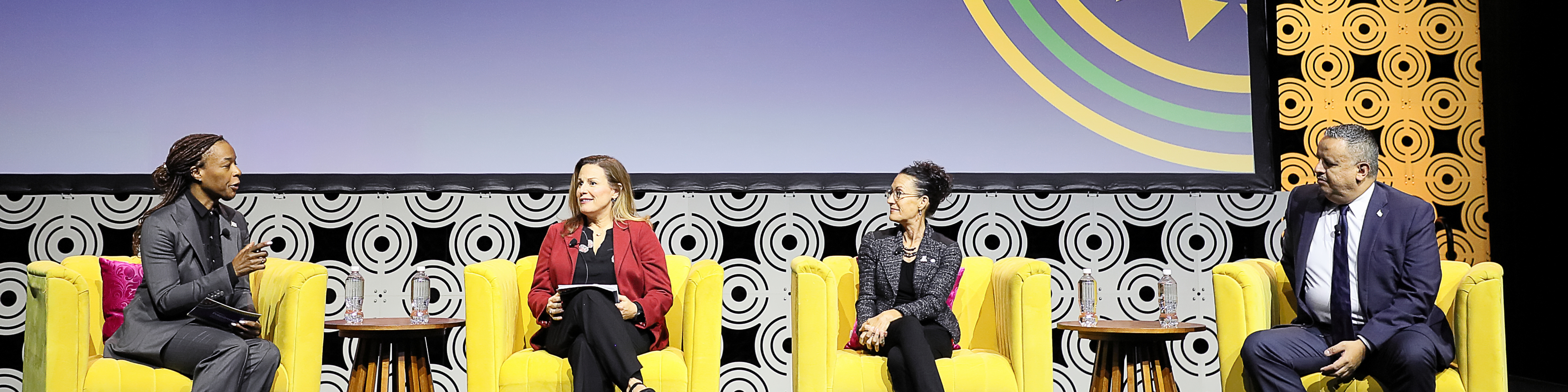
College degrees continue to pay lifelong dividends, not just in income and job security, but in health and quality of life. Higher education needs to convey that message to students and families with more honesty and detail to counter a rise in skepticism about college as the best path to stability, according to a panel of education leaders and researchers at College Board’s 2026 Prepárate conference in Chicago.
“Education is the path to higher earnings, and a stronger attachment to the labor market,” said Jessica Howell, vice president of research at the College Board, explaining the findings in the 2026 Education Pays report. “It also increases civic engagement that keeps our communities strong.”
The details matter, Howell stressed. How long a student takes to complete college (four years? Six?) and the major they choose can have a big impact on their degree’s payoff. An economics major is likely going to do better than a sociology major, at least in the early years following graduation, and students deserve to know those nuances. “There’s also great variation by institution and what your earnings look like, and we should talk honestly about that,” Howell said. “Which college pathways pay, and when do they pay off?”
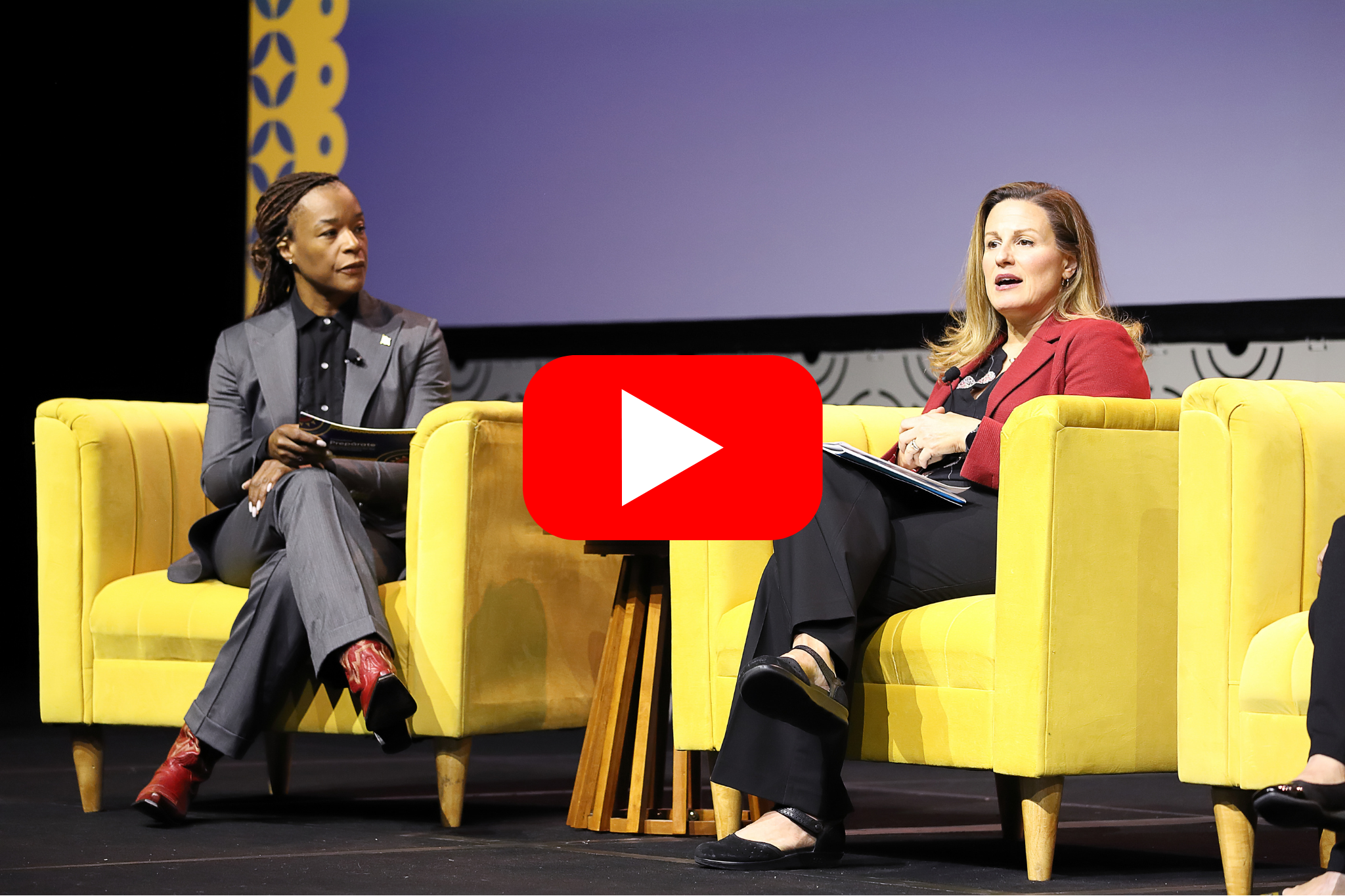
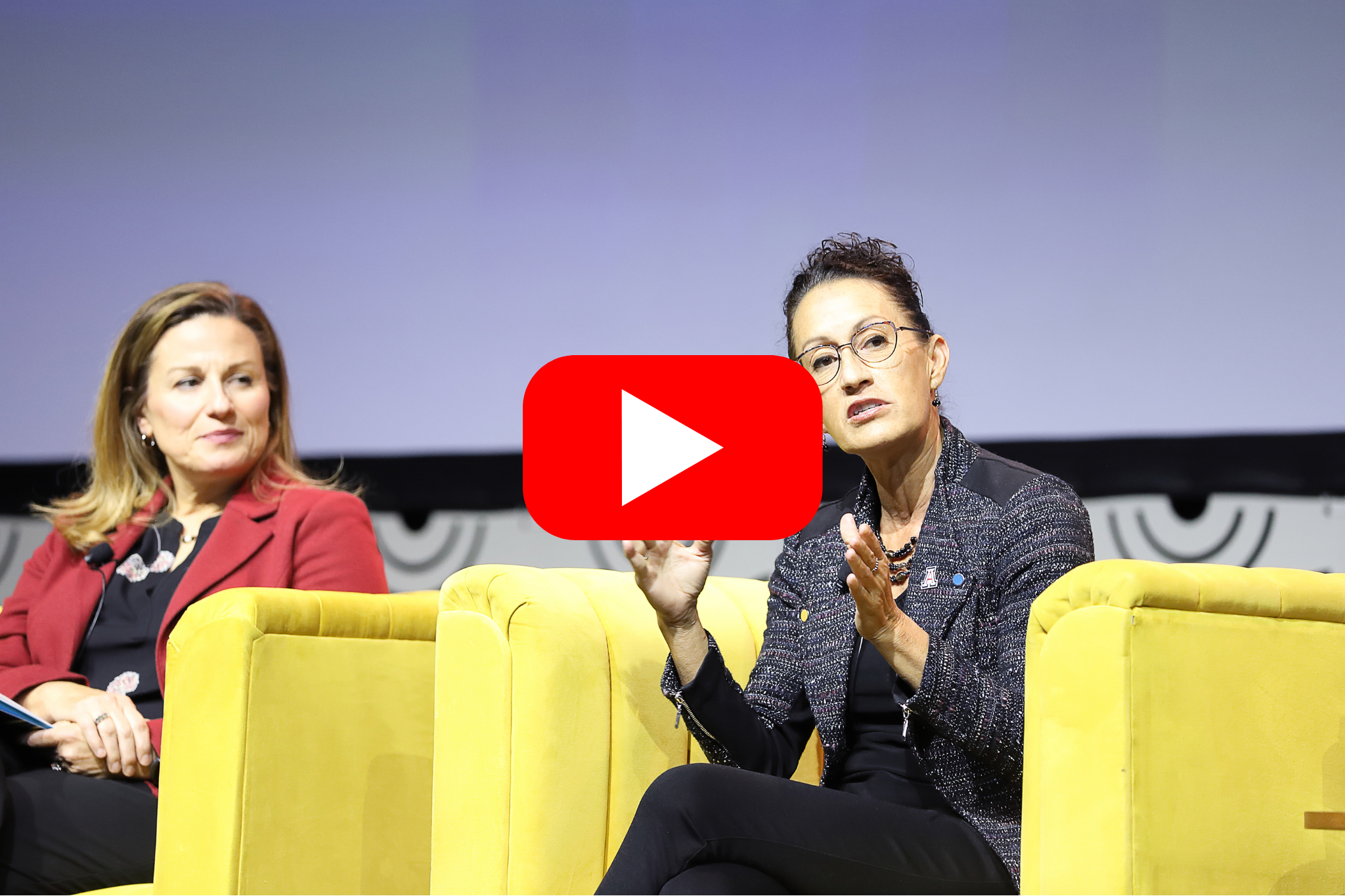
The panelists agreed that counselors and colleges need to be straightforward with students about the implications of their college decisions and break down education jargon into something students and families can understand. Kristina Wong Davis, vice president for enrollment management and dean of admission at the University of Arizona, believes higher education can do a much better job of sharing value in plain language.
“Costs have risen, society is questioning higher education—we haven’t told the story,” she said. “We haven’t articulated why you should make that investment.”
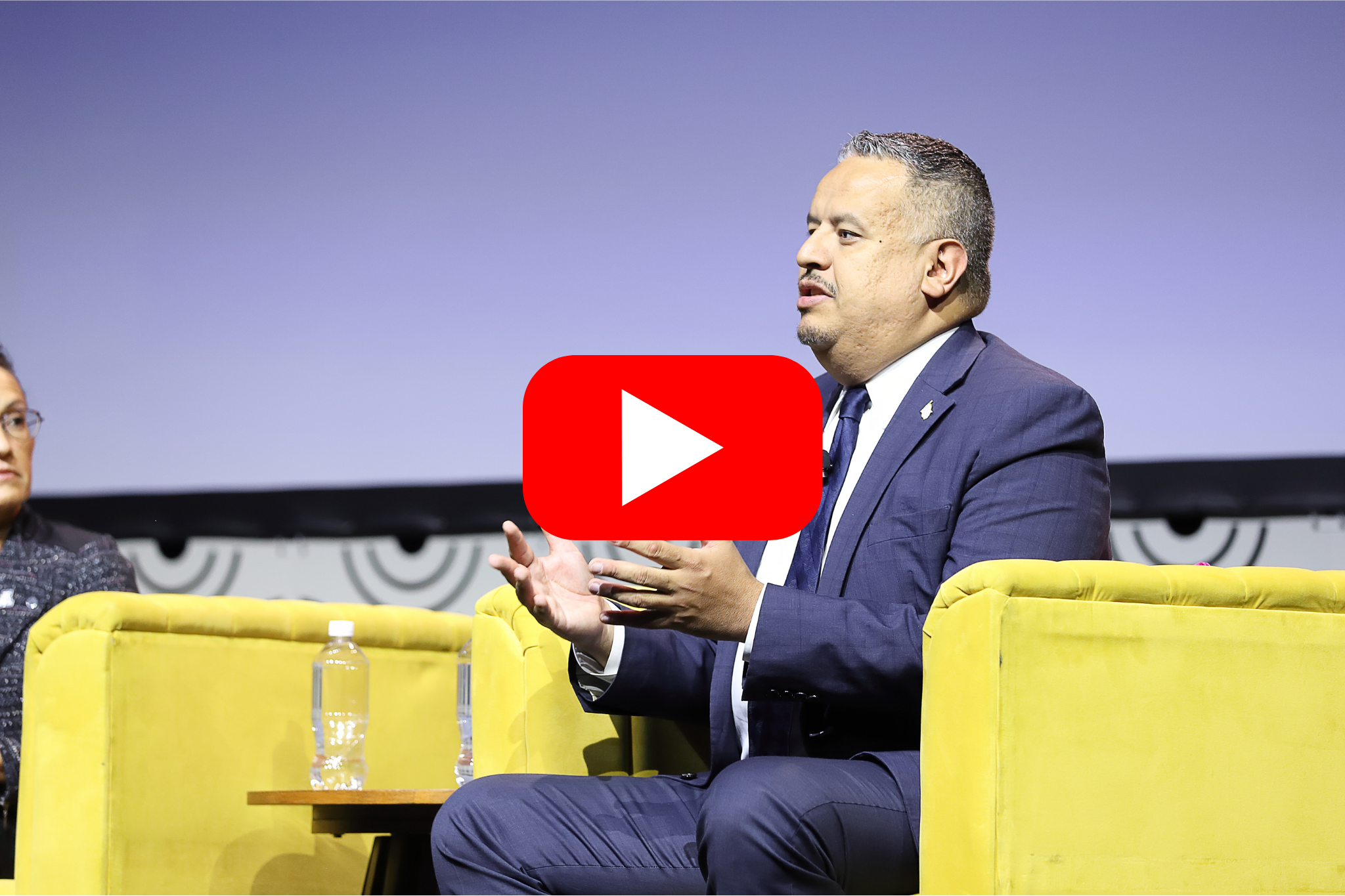
Luis Narváez Gete, the vice chancellor of adult education for the City Colleges of Chicago, explained that there are ways for colleges to increase the value of their programs by connecting students more fully to the working world while they’re enrolled. Opportunities like internships, employer-driven classroom projects, and career counseling should be built into the curriculum. “We engage our industry partners, so we hear from them firsthand what are going to be the expectations of the students we’re graduating,” he said. “That’s where I think the community colleges can do a really good job of meeting them where they’re at: explaining careers.”
Something as simple as explaining LinkedIn pages, making sure students understand how to network and present themselves professionally, can shape their post-graduation prospects. “They know everything about TikTok, but they don’t know anything about LinkedIn!” Narváez Gete said. “How do we bring those conversations into the classroom?”
Wong Davis stressed the value of support services for guiding students to on-time completion, noting that Latino students are more likely to be the first in their families to attend college and may have less informal guidance from friends and family. “You have to make services clear,” she said, stressing the importance of proactive outreach instead of waiting for students to come forward with a problem. “The wraparound pieces of a higher education that really have an impact over the long term.”
That intensive approach to student support is crucial for closing the gap in college completion for Latino students, which affects the value of enrolling and can fuel skepticism about whether college is the right path or a risky one. “Unlocking mobility comes from completing a credential,” Howell said, noting the intergenerational impact of completing a degree.
College continues to pay off when students have the support to finish a degree and launch successfully into the workforce.
More clips from the main stage panel:
Related Resources
- Press Release: A College Degree Still Pays Off—But Student Choices Matter
- Education Pays: Key Takeaways for Students and Families (Includes printable version to share)


