
NASAI 2026
How the Fort Lewis President Is Reshaping College for Native Students
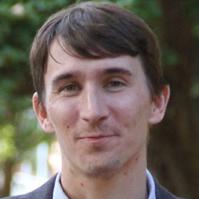
At Fort Lewis College, President Heather Shotton knows she’s inviting her students onto fraught ground. The campus in Durango, Colo., was once a military base, then an Indian boarding school, and now a public liberal-arts college with a student population that’s more than a third Native American.
“Belonging is a basic need,” Shotton told an audience of educators and administrators at College Board’s 2026 Native American Student Advocacy Institute held in the Gila River Indian Community in Arizona. “Being a part of something bigger, of a network of people or a community of people, is so important for how you engage on a college campus.”
Shotton feels a powerful connection to the students she’s welcoming to Fort Lewis, having been through the experience of arriving on a college campus as a first-generation and Native student at the University of Oklahoma. She remembers feeling confident in her abilities as a student, but less certain of how she would navigate the hurdles of a big institution and a new place.
“I knew nobody was going to outwork me, because it had been instilled in me to work hard,” she recalled. “I knew I was smart, I knew I was capable.”
She wants her students at Fort Lewis to feel a similar sense of confidence that they can handle college, and that the institution welcomes their backgrounds and their aspirations. She encourages her staff and faculty to be curious about what motivates students and find styles of support that resonate with them.
“Ask them about their hopes and desires,” she said. “What is it that they want—not just for themselves, but for their families and communities? Understanding that can shape every step you take to support them.”
Fort Lewis has a peer mentoring program for first-generation students, pairing first-year students with an older classmate to help build social networks and offer guidance on navigating college life. The college also focuses on cultural events and programming that highlight Native students’ home communities, conveying a sense of welcome.
One of Shotton’s ongoing projects as the first Native leader of Fort Lewis is to guide the institution in reckoning with its history of attempting to erase Native identity through forced schooling. Over the last several years, there’s been a national movement to recognize the harm, both to individuals and to whole cultures, perpetrated through Indian boarding schools like the one that once resided at Fort Lewis.
Reconciliation isn’t a one-time event, Shotton cautioned, but an ongoing process of both unearthing painful history and focusing on healing for today’s students and families. “Our work around reconciliation has probably been some of the most meaningful work of my career,” she said. “And some of the toughest work.”
Today, Fort Lewis College is striving for a college experience that allows students to maintain and strengthen their cultural ties through education.
Higher education has reached what Shotton called a “flash point,” where institutions must set aside long-established ways of operating in order to answer the anxieties and aspirations of today’s students. “Be creative, be unafraid to do things differently,” she advised.
