Career Readiness
Building from Local Efforts to Scale: Two Texas Chambers Are Connecting Students and Employers

From placing high schoolers in local internships to ensuring third graders are at the right reading level, local leaders are often the ones making these initiatives happen.
Across the country, more than 70 chambers of commerce currently engaged in the Preparing Tomorrow’s Workforce Initiative are solving for the regional workforce needs of their specific communities, and building strategies that are centered in strong relationships and local context.
Education leaders are just as focused on bridging classroom curriculum and employers’ needs, but capacity poses a real constraint. In Texas, two chamber teams are meeting very specific needs that will prove to have lasting impacts on their regions (spanning pre-K to senior year of high school).
Meeting a Mutual Need: Greater Waco Chamber of Commerce
Many companies want to engage with young talent, but standing up an internship program and fielding candidates requires a lot of time and resources. On the flip side, school districts (especially small ones) don’t always have the resources or relationships to facilitate these kinds of initiatives with employers.
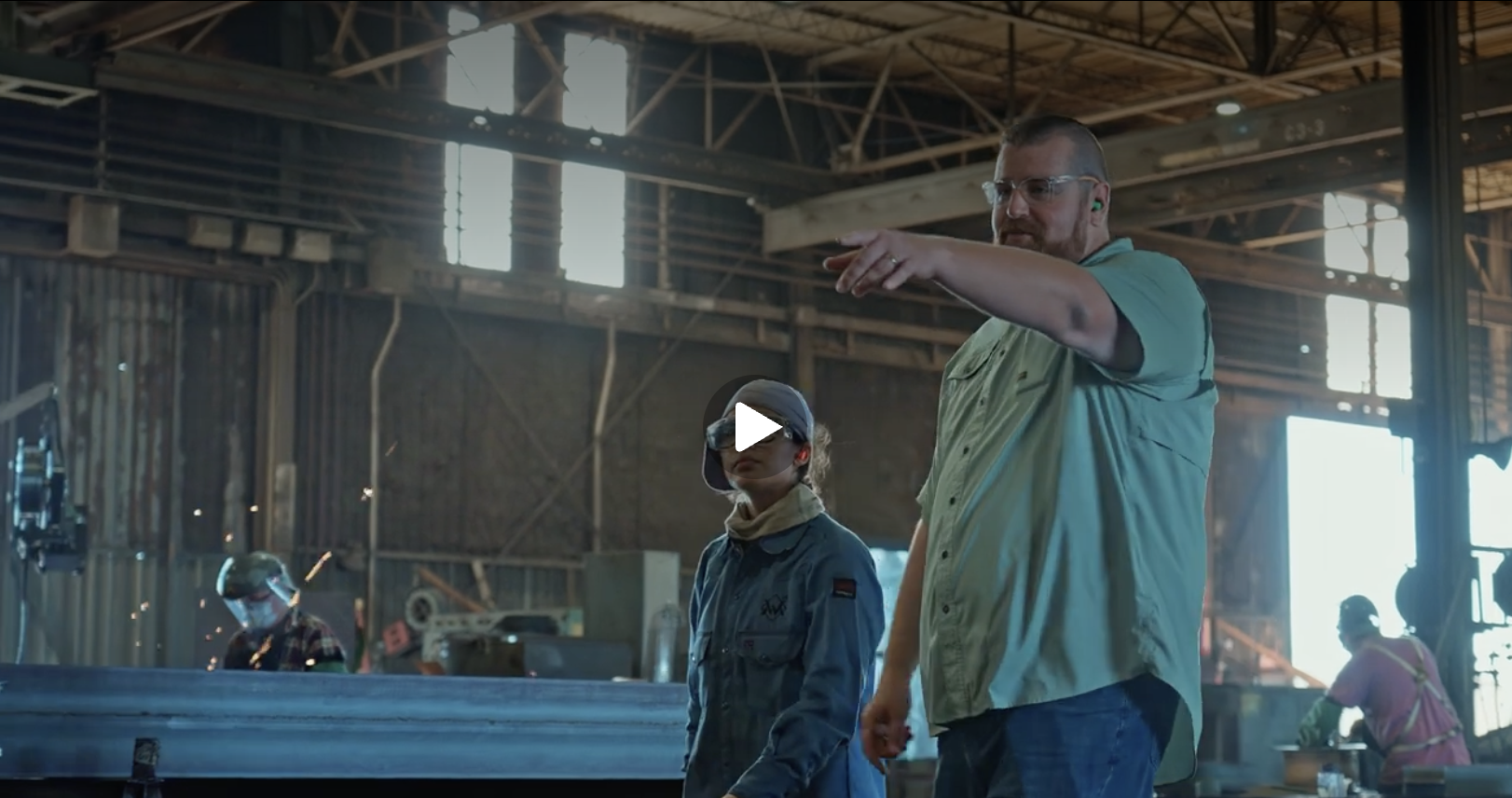
In Greater Waco, the Chamber created a high school internship program, offering students hands-on experience in fields such as welding, manufacturing, audio-video production, HVAC, IT, and entrepreneurship. The team addressed capacity constraints by absorbing the student internship operational load entirely — recruiting, interviewing, and placing students on behalf of industry partners.
Local internships help students gain real workforce experience and exposure to a career field and employers have the opportunity to introduce young talent to their companies, which can lead to full-time employment in the future. And chambers of commerce ensure that their region’s upcoming workforce will be well prepared—and hopefully enticed to stay local.
The program’s growth speaks for itself. In one year, the program grew from nine employer partners to 21, offering students a combined 62 positions. And the students are matching the employers’ enthusiasm; this year, the chamber received 305 applications in only two weeks, and then interviewed 96 students for the open roles.
Reflecting on this success, Senior Director of Workforce and Talent at Greater Waco Chamber, Rachel Martinez hopes that College Board programs like Teamship, where teams of students solve real problems for real businesses, and AP Career Kickstart, new courses co-designed with higher education and employers to equip students with career skills and credentials, allow more students to access high-quality work-based learning opportunities.
“When you have leading businesses in our area who have said ‘yes’ and have a positive experience, they're going to be a witness and encourage other businesses to come alongside us as well,” said Martinez. “Work-based learning is a key component to AP Business with Personal Finance. What we're doing is helping set the stage for those relationships and opportunities as we continue to grow in our programs and as these AP courses take off in our area.”
Starting Early Pays Off in the Long Run: Longview Chamber of Commerce
In December 2024, new national data confirmed what a lot of employers already suspected: American adults are losing ground on basic literacy and numeracy. Scores on the Program for the International Assessment of Adult Competencies (PIAAC) show that literacy skills among 16- to 65-year-olds fell 12 points between 2017 and 2023. Top performers have mostly held steady.
For most organizations, that's an abstract national trend. For the Longview Chamber of Commerce, it was a preview of something local leaders had already started acting on.
Twice a year, Longview meets with school superintendents to better understand their needs and where they can help. “We want to understand your pain points as school districts— what's happening at each of your campuses, and how we can walk alongside you to help families and communities thrive,” said Kelly Hall, Longview Chamber CEO.
In 2023, the answer was that only 43% of Longview-area students were reading at grade level. Students who don't read proficiently by third grade are four times more likely to drop out of high school, and a high school dropout doesn't become a welder, a nurse, or an IT technician — the very roles regional employers are trying to fill.
Longview Chamber launched LongviewREADs!, an effort to match businesses, employees, and community members with opportunities to help students become better readers. Employers help by investing in student reading prizes, volunteering to read in classrooms, and more.
At its core, the initiative is a workforce strategy to better prepare future local talent. In only three years, they’ve seen an 8% improvement in the number of Longview-area third graders reading at grade level.
Bringing AP Career Kickstart to the Longview community is another way to help meet talent and workforce needs because a skills gap that shows up in a 25-year-old's PIAAC score doesn’t start in adulthood.
It's one reason business leaders like Hall aren't waiting for national indicators to tell them where to invest. “I want kids to have the best, most robust experience in high school as possible— they need opportunities to explore, to fail, and to pick up and move forward,” said Hall. “The AP Career Kickstart courses are going to help students find their way and have what they need to be successful.”
Chambers of commerce are uniquely positioned to see opportunities like these earlier than most institutions. They sit between employers who feel the skills gap in real time and school systems trying to close it years in advance.
If there’s one lesson we should take away from these chambers’ profound impact, it’s to start local - a belief we hear often from K-12 leaders and higher education members alike. Without understanding local context, you can’t craft an effective solution.